Purpose of The Stanley M. Marks Blood Cancer Research Fund
Provides seed money for young investigators as they build their research program for the future as well as for senior investigators to conduct highly innovative or specialized research projects.
Supports recruitment of new leaders.
Provides support to launch unique programs and major initiatives, like early diagnosis of blood cancers.
Promotes the pursuit of continued excellence in patient care, for which Dr. Marks has set the standard.
Stanley Marks Research Fund Recipients - 2025
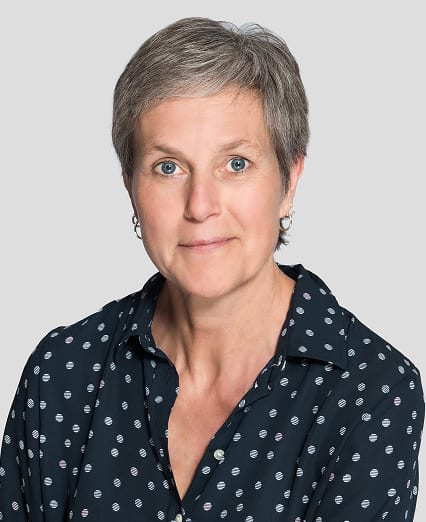
Carola A. Neumann, MD
Breast Cancer Researcher, UPMC Hillman Cancer Center
Associate Professor, Pharmacology and Chemical Biology, University of Pittsburgh
We are very grateful to be granted support from Stanley M. Marks Blood Cancer Research Fund. My lab at UPMC Hillman Cancer Center focuses on developing a drug that will improve the lives of women suffering from an aggressive form of breast cancer called triple-negative breast cancer (TNBC) and ovarian cancer. These funds will allow us to continue pre-clinical studies which are needed to apply to the FDA to bring this novel therapeutic to human Phase 1 clinical trials. Targeted research and development of new treatment options is vital for patient survival.
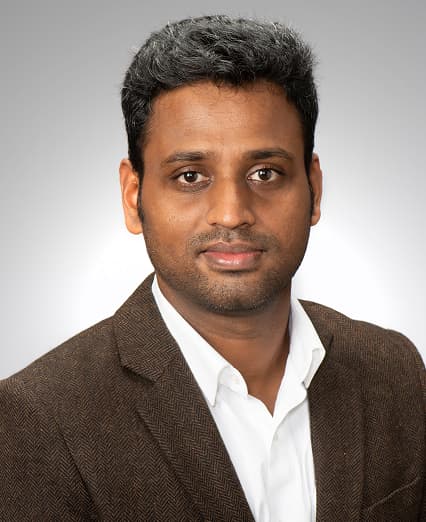
Antony Michealraj Kulandai Manuvel, PhD
Pediatric Cancer Researcher, UPMC Hillman Cancer Center
Asst. Professor, Neurological Surgery, University of Pittsburgh
Support from the Dr. Stanley M. Marks Blood Cancer Research Fund will enable us to pursue innovative research and therapeutic discovery for devastating pediatric brain tumors. Our work has revealed that pediatric cancer stem cells outcompete normal stem cells for nutrients and convert these nutrients into molecules that cause tumor growth. The support from the Marks Research Fund allows us to map the specific pathway of this process and develop a combination therapy that targets the cancer cells. This approach is now being further investigated, and we are hopeful this will advance quickly into clinical trials and ultimately benefit children affected by these tumors.
Stanley Marks Research Fund Recipients - 2024
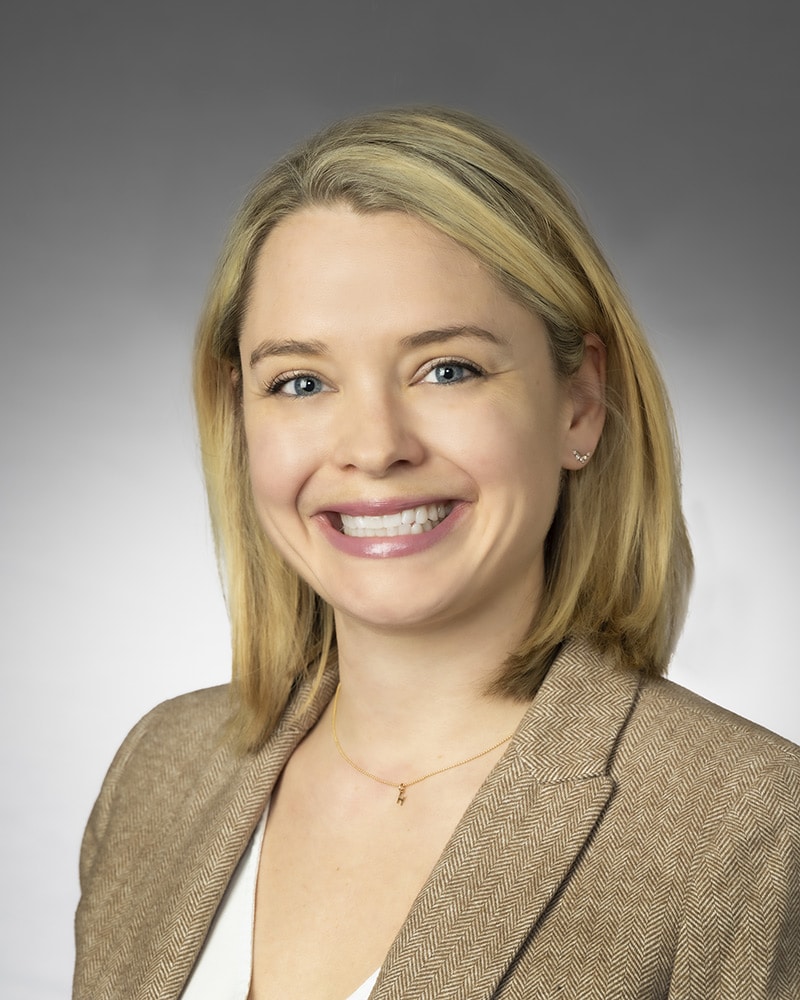
Jessica D. Daley, MD
Pediatric Oncologist
UPMC Children’s Hospital of Pittsburgh & UPMC Hillman Cancer Center
I am honored to receive support from the Dr. Stanley M. Marks Blood Cancer Research Fund. This funding will help support my research to understand how the immune system can be suppressed or ‘turned off’ in certain pediatric sarcomas, a type of cancer that often begins in the bone and can spread throughout the body. Specifically, my current work focuses on targeting a protein in the body that typically turns down the immune response, to then enhance the Ewing sarcoma microenvironment and decrease metastatic spread of this cancer during radiation therapy. The work supported by the Marks Fund is expected to result in the development of early phase clinical trials where we can hopefully improve the outcomes for adolescents and young adults with metastatic or relapsed Ewing sarcoma.
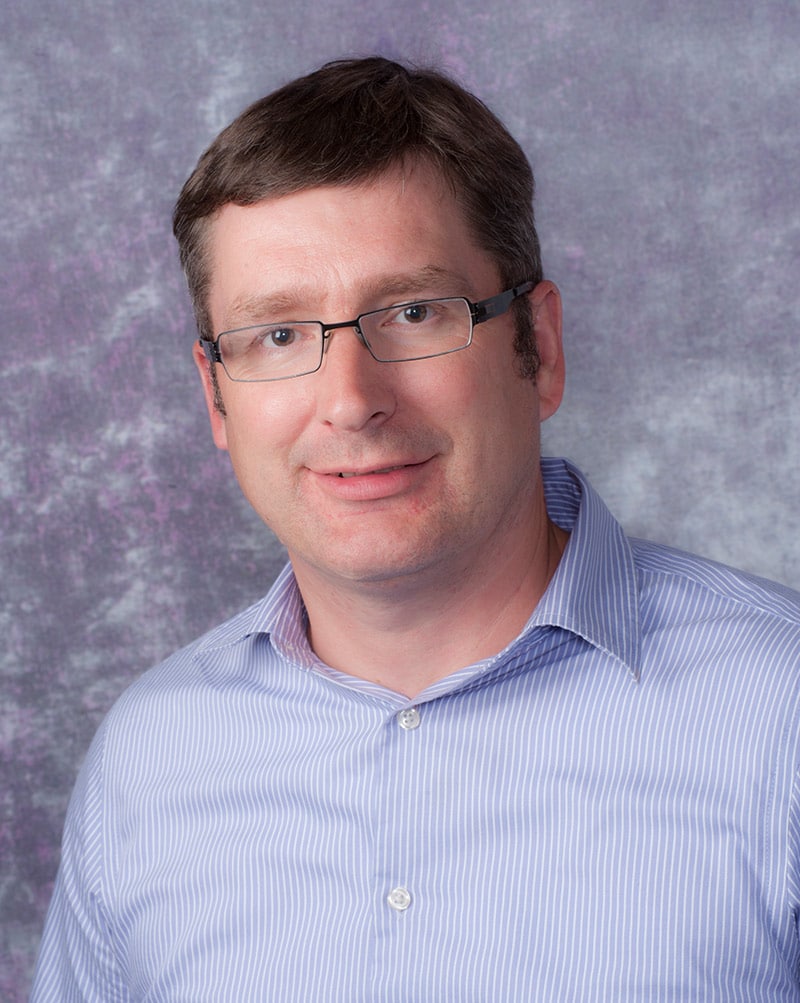
Christopher J. Bakkenist, PhD
Chair, Radiation Oncology Research
UPMC Hillman Cancer Center & University of Pittsburgh
The Stanley M. Marks Research Fund has allowed us to determine the optimal schedule of radiation therapy and innovative immunotherapy in preclinical models of lung cancer. Our experiments were important for the design of Phase 3 clinical trials for lung cancer as well as Phase 2 clinical trials for glioblastoma. Furthermore, the funding served as a catalyst for additional funding from the pharmaceutical industry and the National Cancer Institute which resulted in a several hundred-fold return on investment. Our work will help people live longer healthier lives.
Stanley Marks Research Fund Recipients - 2023
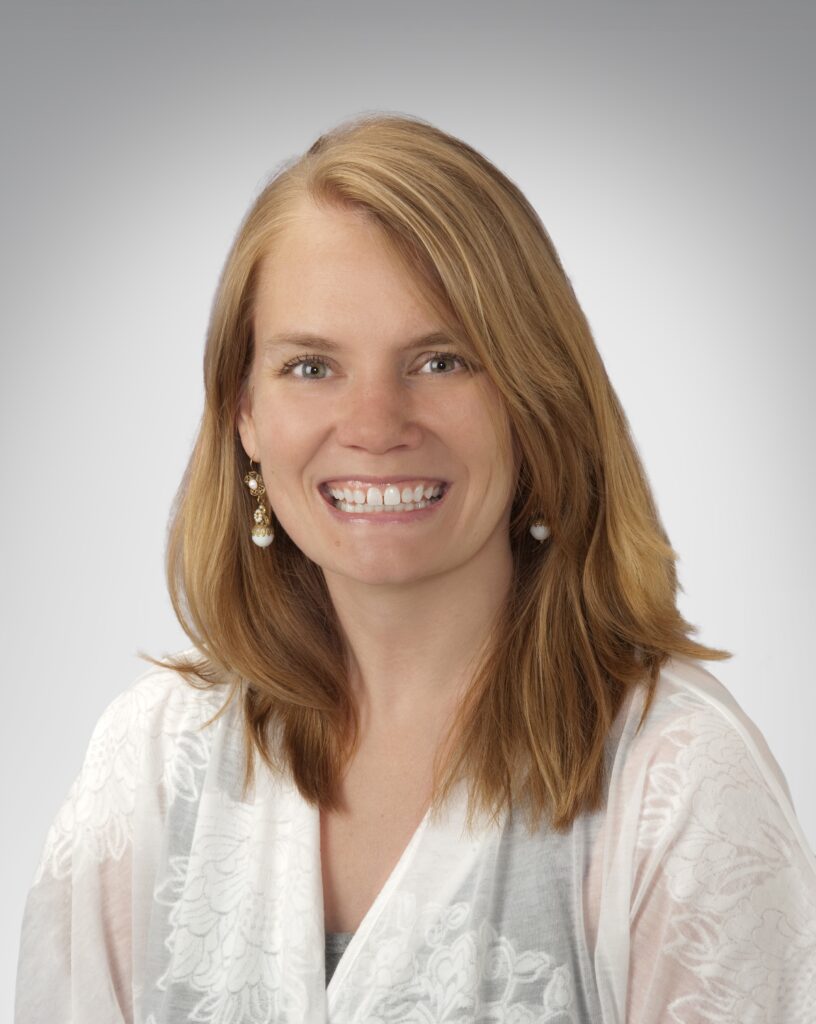
Kelly M. Bailey, MD, PhD
Pediatric Oncologist and Physician Scientist
UPMC Children's Hospital of Pittsburgh
UPMC Hillman Cancer Center
The support my lab received from the Stanley M. Marks Research Fund helped our team develop a very unique model of Ewing sarcoma, a bone cancer diagnosed in adolescents and young adults. We are now using this model to better understand the ways immune cells interact with Ewing tumors and to test new treatments for Ewing sarcoma. Thanks to this early support, our lab continues to work locally and nationally to find better cures for patients with aggressive Ewing sarcoma.
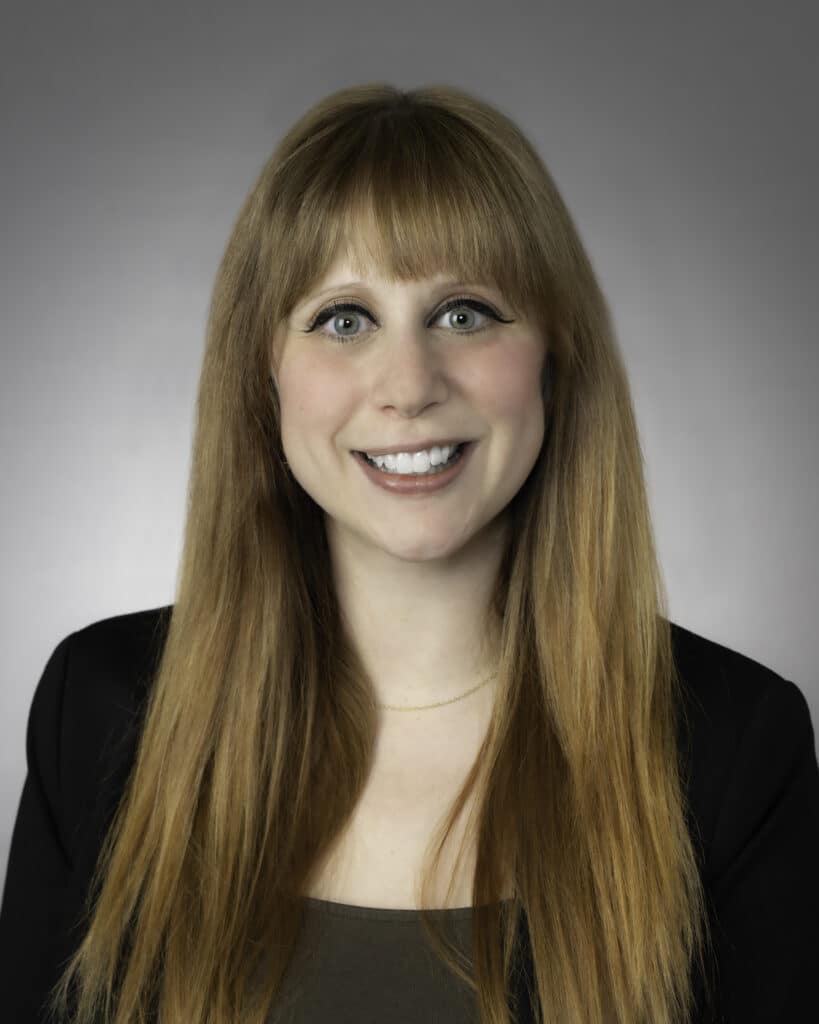
Tullia C. Bruno, PhD
Cancer Immunology & Immunotherapy Program & Tumor Microenvironment Center at UPMC Hillman Cancer Center
Assistant Professor, Department of Immunology, University of Pittsburgh Chair, Women's Initiatives Taskforce, UPMC Hillman Cancer Center
We were humbled to receive support from the Stanley M. Marks Blood Cancer Research Fund. My lab at the UPMC Hillman Cancer Center focuses on how to improve immunotherapies for patients that do not currently garner therapeutic benefit from targeting the immune system. Through the Marks Funds, we are understanding how to target the entire tumor microenvironment of solid tumors for improved response rates in cancer patients. We hope that our comprehensive approach leads to novel clinical trials in the next several years.
Stanley Marks Research Fund Recipients - 2022
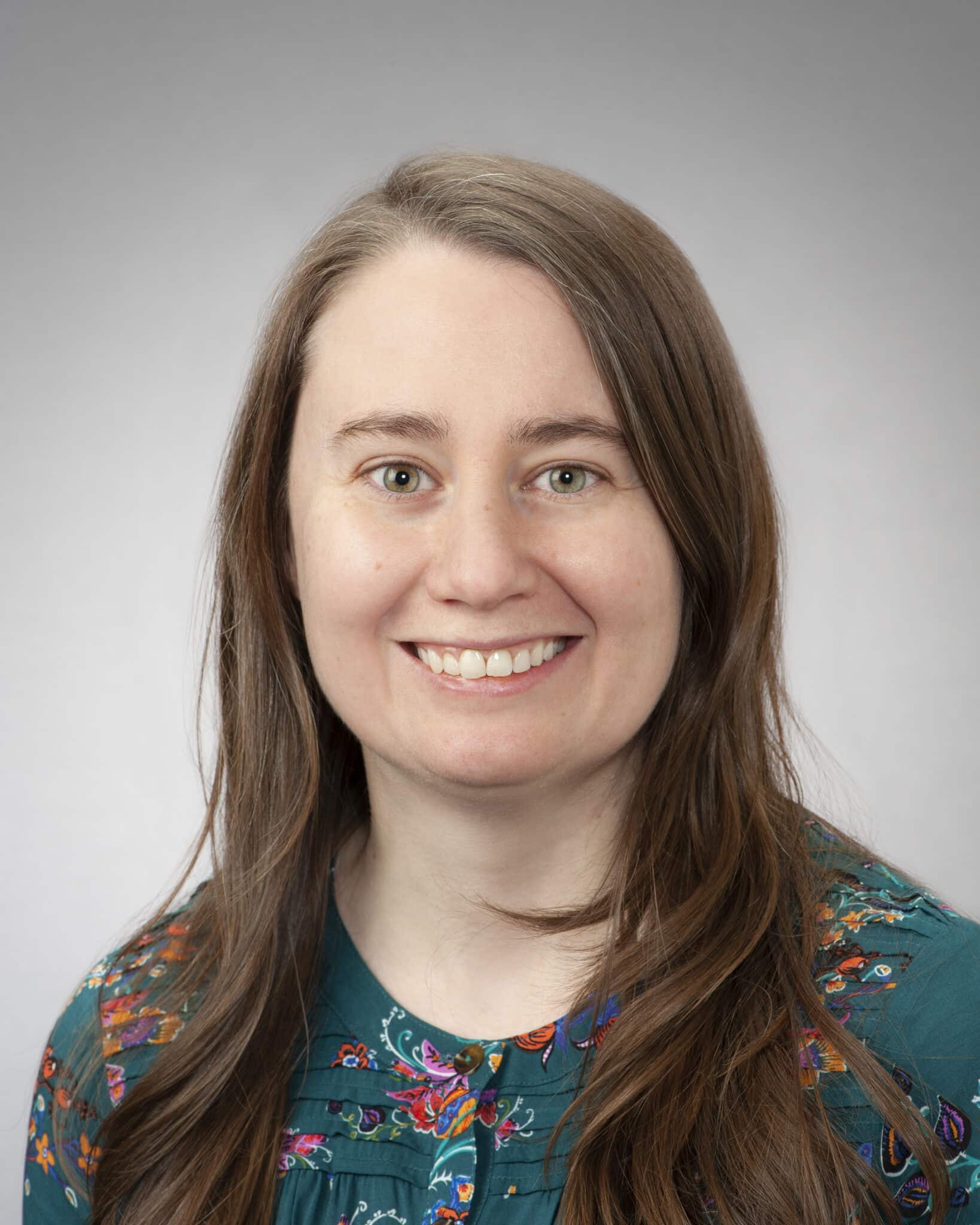
Lisa Maurer, MD, PhD
Pediatric Oncologist & Physician Scientist
UPMC Children's Hospital of Pittsburgh
As a pediatric oncologist my goal is to develop targeted cancer treatments that allow us to cure children with leukemia and lymphoma with fewer long-term effects. The Stanley M. Marks Blood Cancer Research Fund awarded us a grant for our preclinical studies investigating a new small molecule we identified to target a specific subset of leukemia and lymphoma driven by the MALT1 oncogene. This grant will allow us to conduct laboratory studies to determine how this small molecule affects lymphoma cell survival in the context of immune cells.
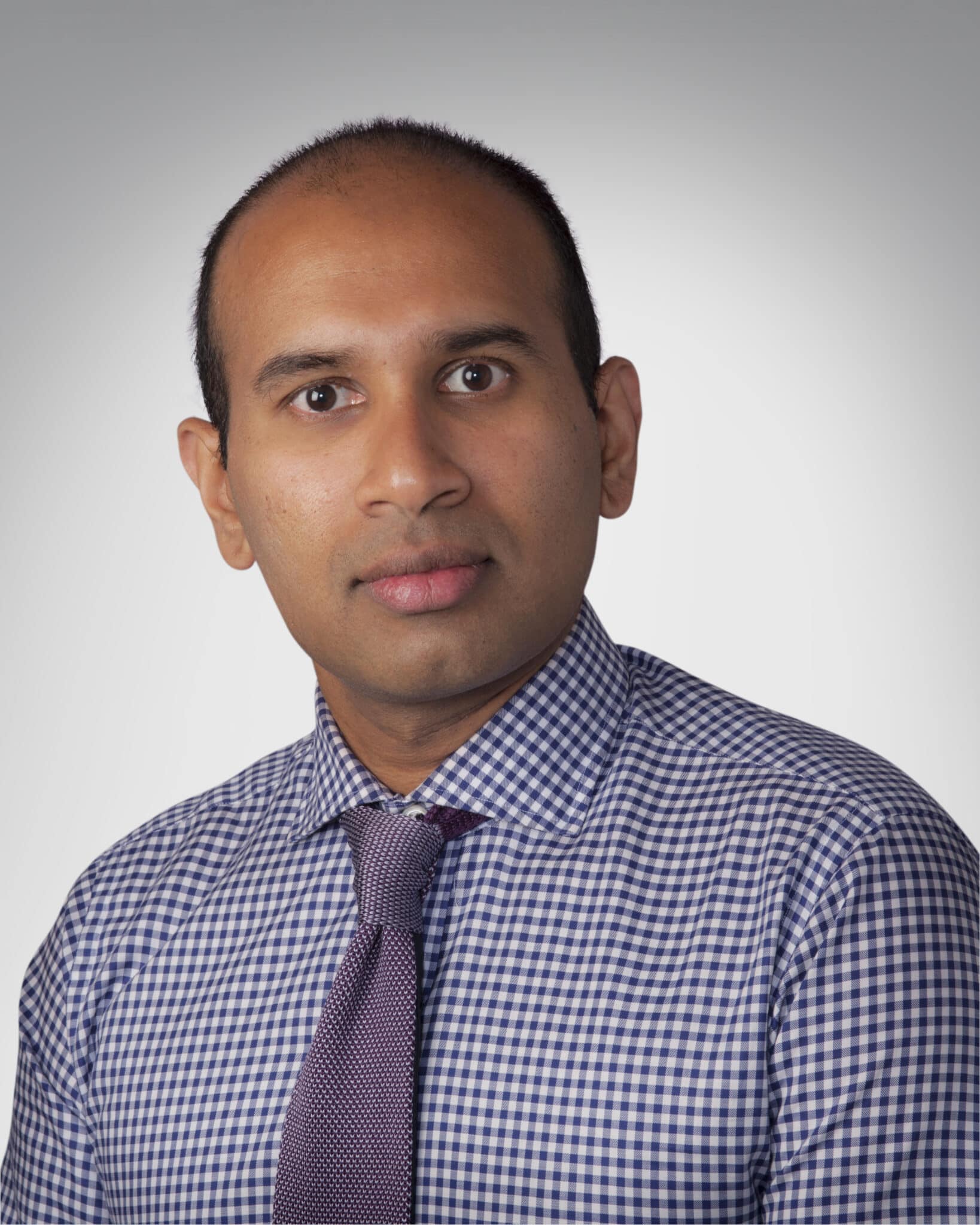
Diwakar Davar, MD
Oncologist & Melanoma Research Scientist
UPMC Hillman Cancer Center
The support from the Stanley M. Marks Research Fund was critical to the implementation and conduct of next-generation clinical trials and biorepository efforts in microbiome-oriented translational research. These trials and biorepository samples will help clarify the role of native gut flora in mediating the development of response and adverse events in patients treated with anti-PD-1 immunotherapy across all cancers. I am deeply grateful to Dr. Marks and those who have contributed to this fund for making this work possible.
Stanley Marks Research Fund Recipients - 2021
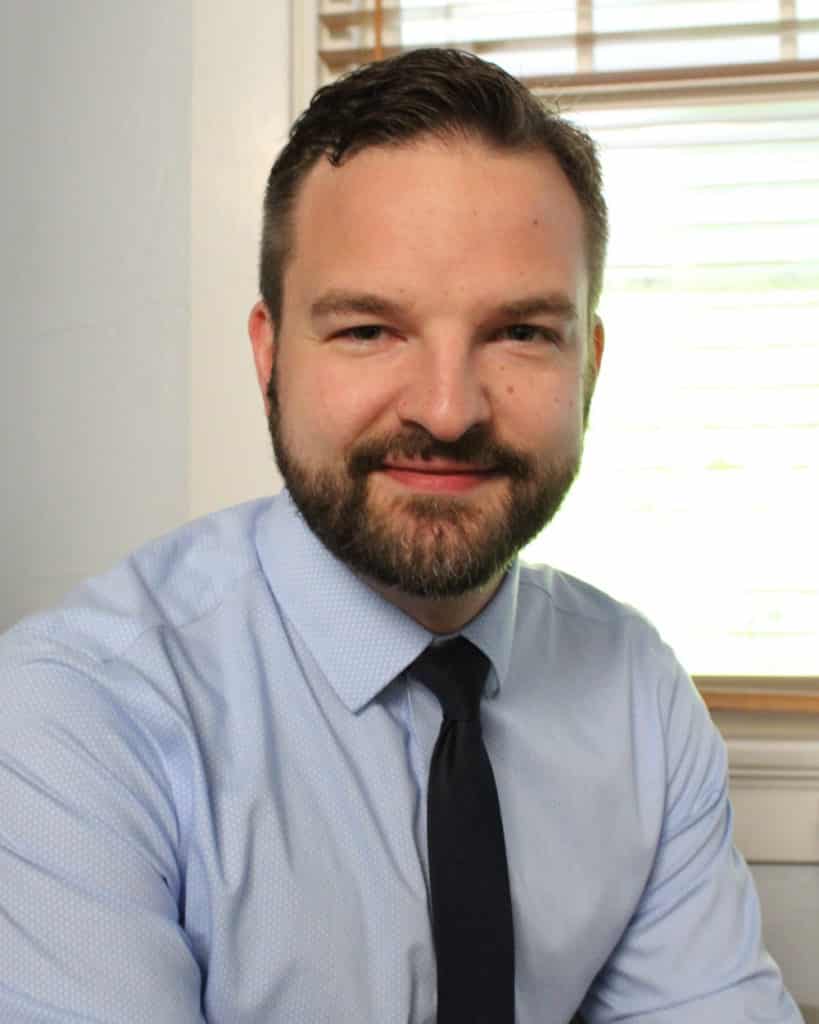
Greg M. Delgoffe, PhD
Assistant Professor
Tumor Microenvironment Center
Department of Immunology
University of Pittsburgh
We were honored to receive support from the Stanley M. Marks Blood Cancer Research Fund earlier this year. My lab at UPMC Hillman Cancer Center studies how to reprogram immune cells to attack cancer cells. While these immune-based therapies have shown success in some patients, most do not respond, or they develop resistance. Through support of the Marks Fund we are dissecting how to endow therapeutic immune cells with the ability to persist and maintain their anti-cancer function long after a patient is treated.
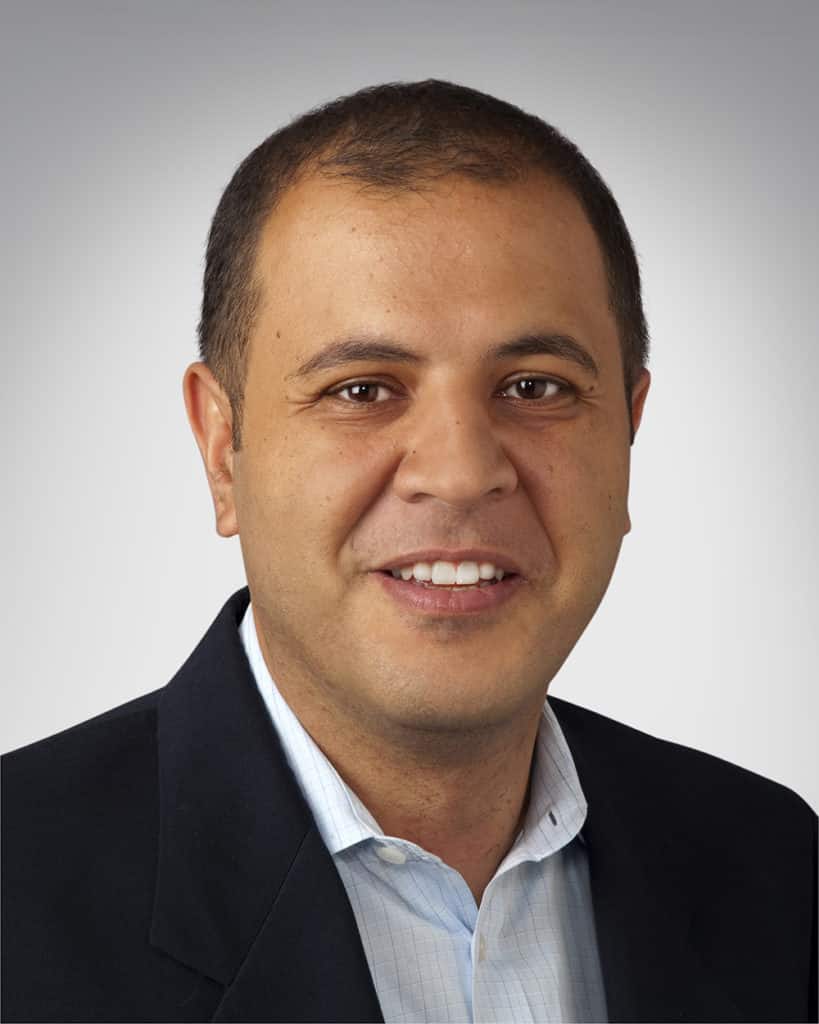
Rafic Farah, MD
Medical Oncologist UPMC Hillman Cancer Center
As a medical oncologist who specializes in stem cell transplant for hematologic malignancies including lymphoma, leukemia, and myeloma, we are always searching for better methods to treat our patients. The Stanley M. Marks Blood Cancer Research Fund awarded us a grant for our study of immunosuppressive medications following what's called a haploidentical stem cell transplant. It uses healthy, blood forming cells from a half-matched donor, typically a family member, to replace the unhealthy ones. We were able to accrue 10 patients into this study and will be analyzing data to determine the outcome.
Stanley Marks Research Fund Recipients - 2020
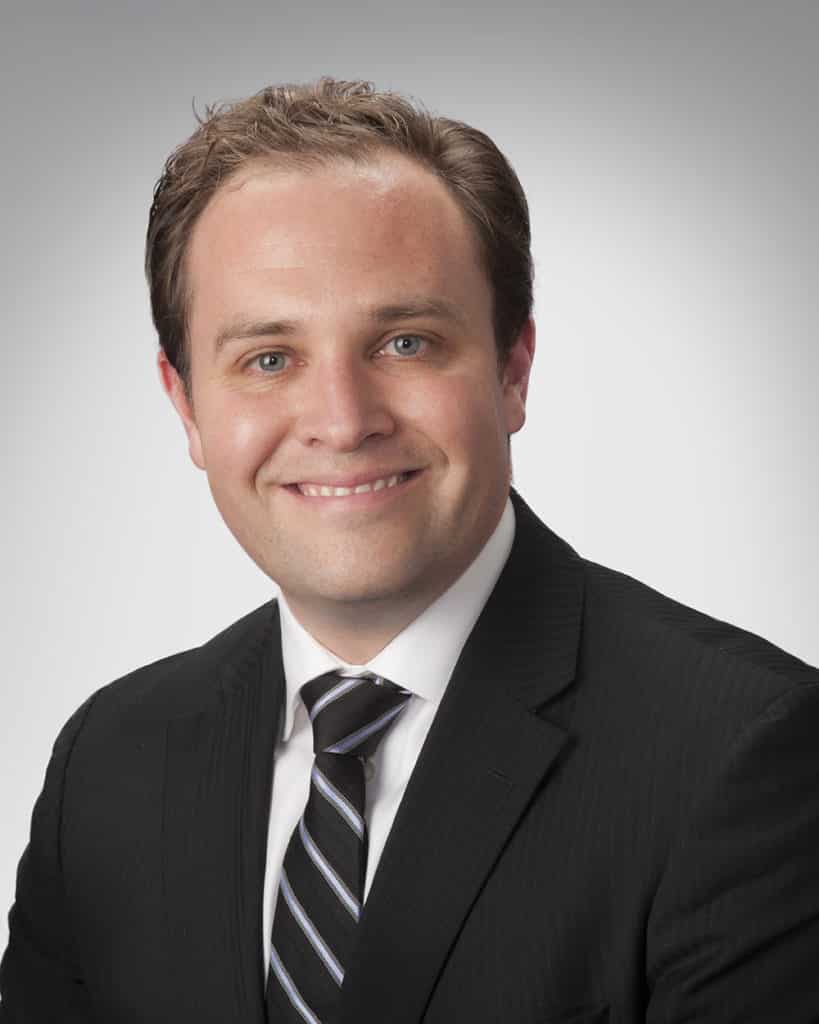
David Clump, MD
Radiation Oncologist
UPMC Hillman Cancer Center
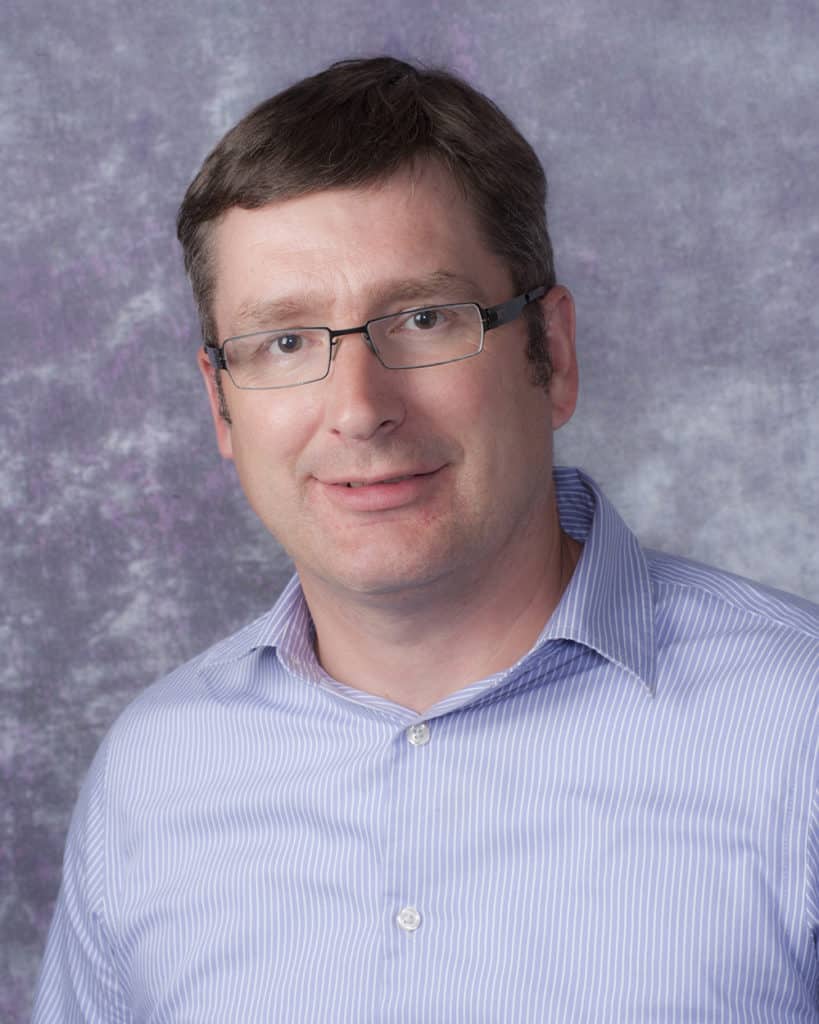
Christopher Bakkenist, PhD
Associate Professor of Radiation Oncology and Pharmacology and Chemical Biology
University of Pittsburgh
Initial funding from the Stanley M. Marks Blood Cancer Research Fund was used for preclinical studies to determine how pharmacologic inhibitors of DNA damage signaling combine with radiation therapy to increase anti-tumor immune responses. We were able to discover key interactions between manipulating DNA damage and subsequent immune response. With this support and this early study, we were able to receive a large federal award to continue exploring the basic principles of this interaction in the laboratory as well as translating these findings clinically into more rationale and potentially advantageous clinical trials exploring the combination and sequencing of radiation and immune therapies.